|
|
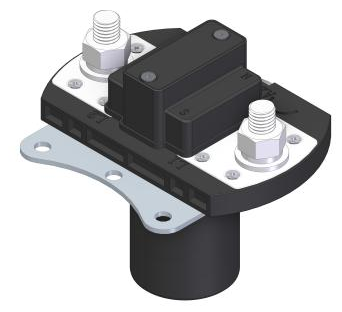
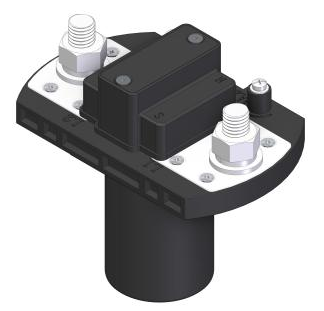
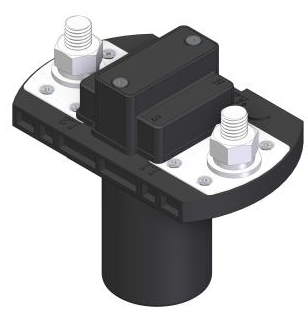
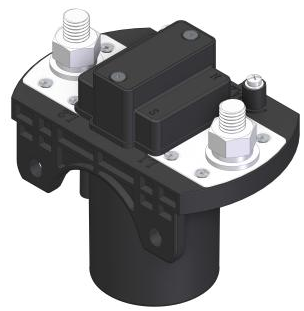
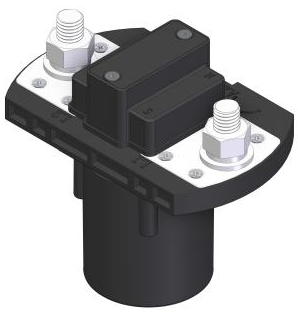
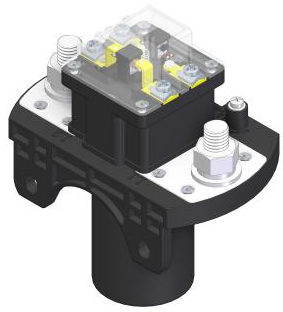
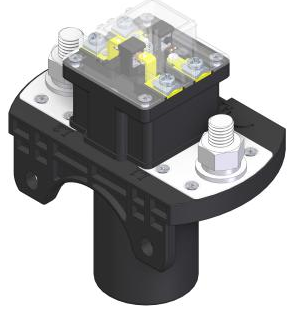
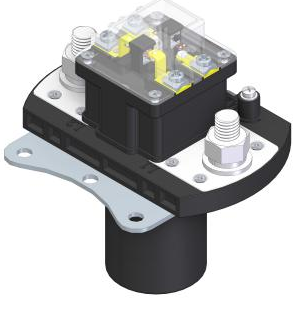
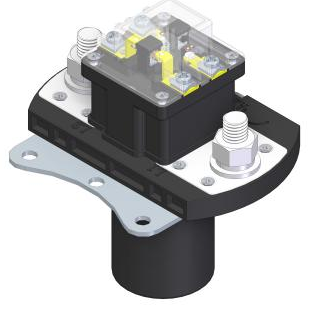
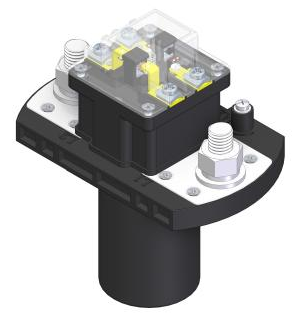
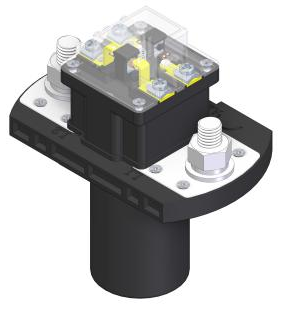
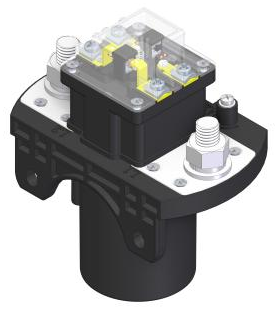
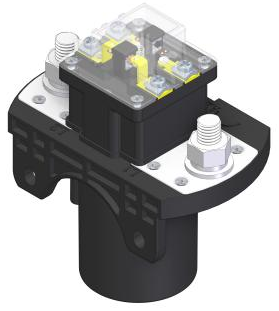
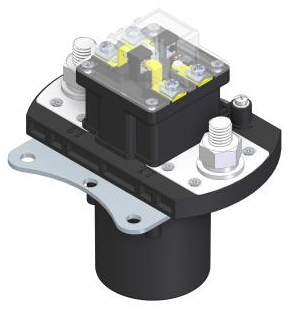
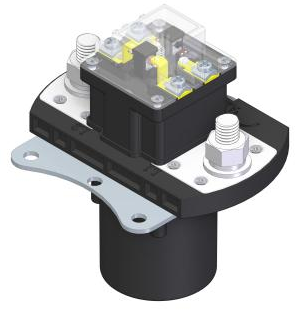
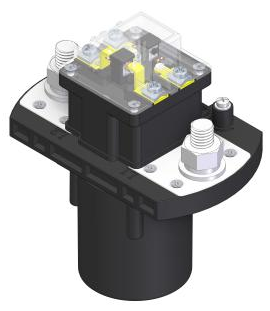
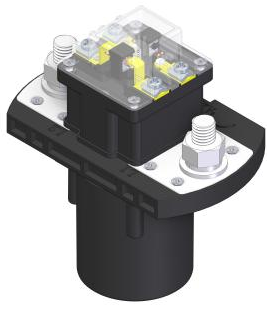
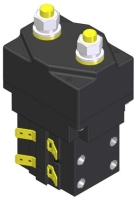
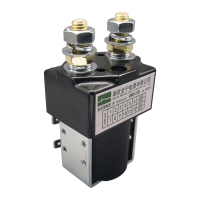
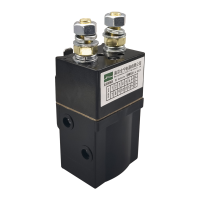
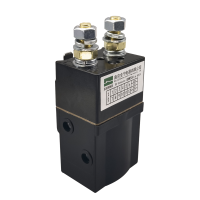
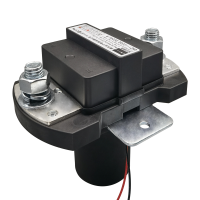
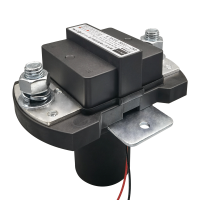
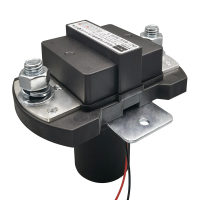
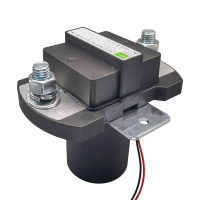
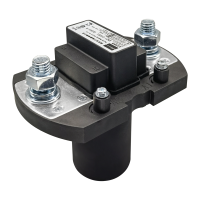
QNZ1-400QR Built-in Resistor Micro-power DC Contactor (Aux. Contacts Opt.)Rated operational current (A): 400 Rated operational voltage (V DC): 60 Rated insulation voltage (V DC): 1500 Coil control voltage (V): DC24/48 Coil operating power consumption (W): 0.5 Coil connection method: Terminal pin / External lead Electrical life (operations): 2 ×10⁴ Mechanical life (operations): 20 ×10⁴ Mounting method: Straight plate / Bent plate Auxiliary contacts: Optional (11/20/02) 
1. ApplicationThe QNZ1-QR series DC contactors with built-in resistor and micro-power consumption are used as bypass isolation switches in variable frequency drives, soft starters, high-frequency heating power supplies, or other similar DC-20 loads. They can also be used in circuits with a working voltage of 60V or below under DC-1 load conditions. Compliance Standards: IEC/EN 60947-4-1, GB/T 14048.4. 2.Coding
3. Key Points▲ Built-in buffer resistor structure eliminates the need for installing additional charging resistors, saving customer cost while maintaining virtually the same space and volume. ▲ Coil with micro-power consumption technology, featuring high efficiency, energy saving, and surge protection. The coil itself does not generate heat. ▲ Strong resistance to shock and vibration. High contact pressure, silver alloy contacts ensure reliable connection, low contact temperature rise, and strong overload capacity. ▲ Rare earth strong magnetic arc extinguishing, long electrical lifespan, strong anti-welding performance, safe and reliable. ▲ High insulation performance, withstands 3500V power frequency voltage. ▲ Complies with EU RoHS environmental directive and national energy-saving and environmental protection requirements. ▲ Two coil connection options: Fixed terminal block method and flexible lead wire method. *(Note: 600-1200QR models are only available with lead wires). 4. Operating and Installation Conditions▲ Ambient Temperature: -40°C to +85°C. ▲ Ambient Humidity: Maximum relative humidity 85%. ▲ When the installation site altitude exceeds 2000 meters, derate by 5% for every additional 1000 meters. Maximum altitude should not exceed 5000 meters. ▲ Sinusoidal sweep frequency vibration at the mounting point: 10–500 Hz (Frequency 10–50 Hz, Amplitude 2.5mm; 50–200 Hz, Amplitude 0.16mm; 200–500 Hz, Acceleration 50 m/s²). ▲ Pollution Degree: Pollution Degree 3. ▲ Installation Orientation: Horizontal or vertical. ▲ Mounting Method: Screw mounting. ▲ Applicable Duty Cycle: Uninterrupted duty, Intermittent periodic duty. 5. Technical ParametersThis series complies with standards: IEC/EN 60947-4-1, GB/T 14048.4.
Appendix: Coil Parameters
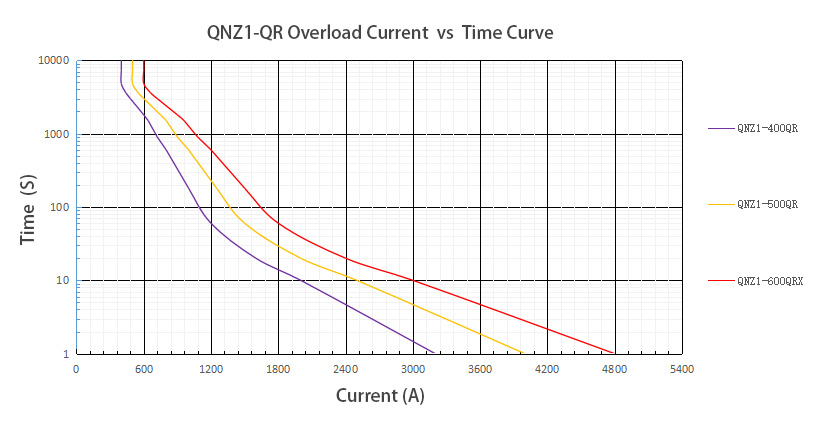
QNZ-QR Overload Current vs Time Curves:
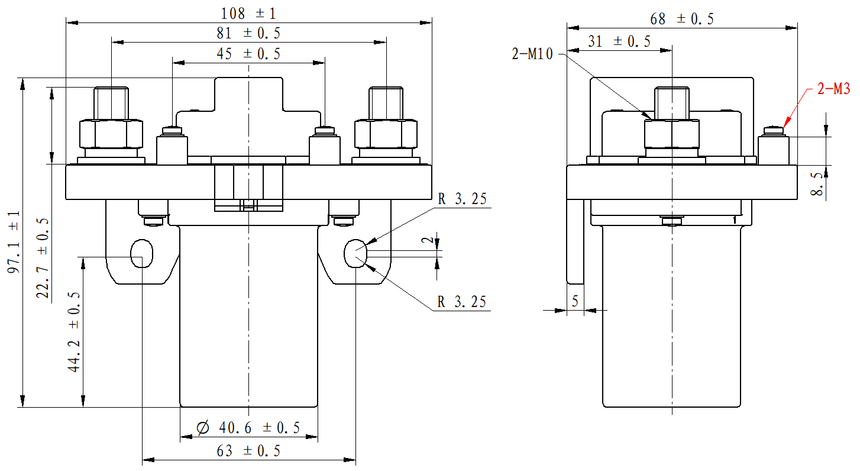
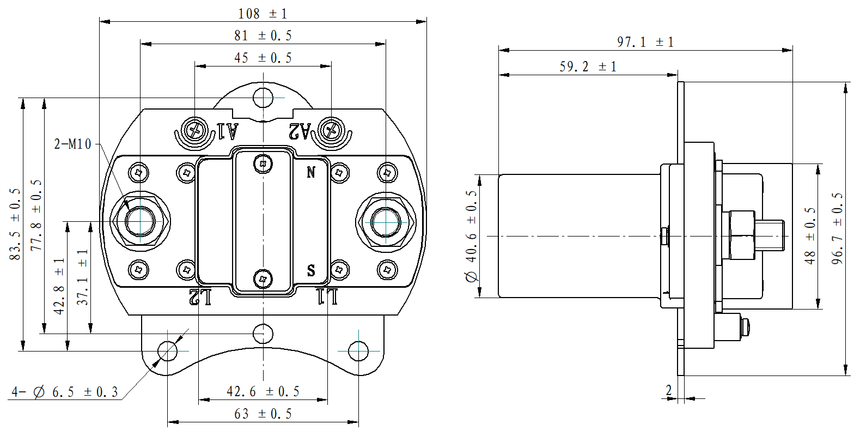
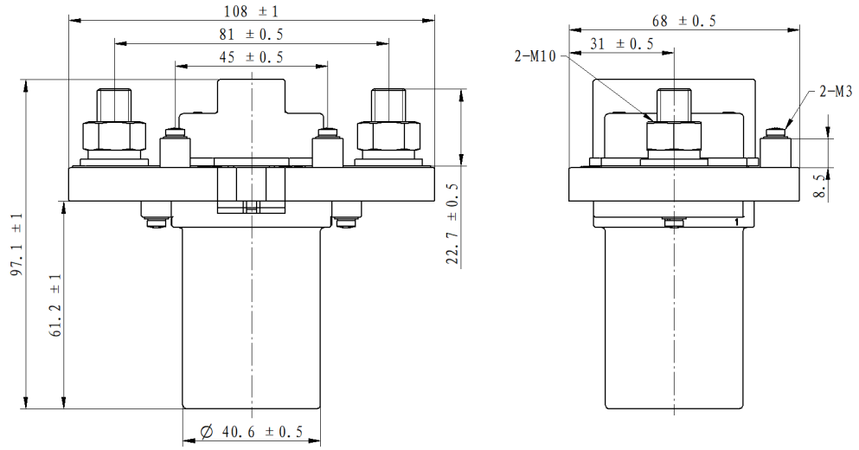
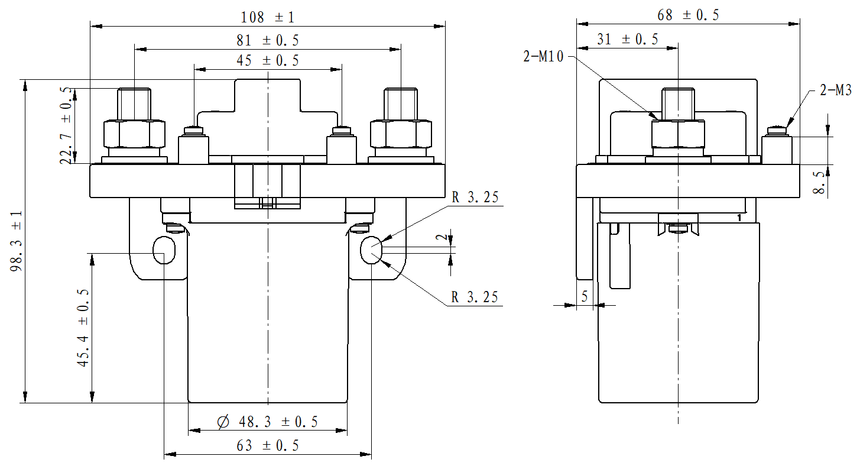
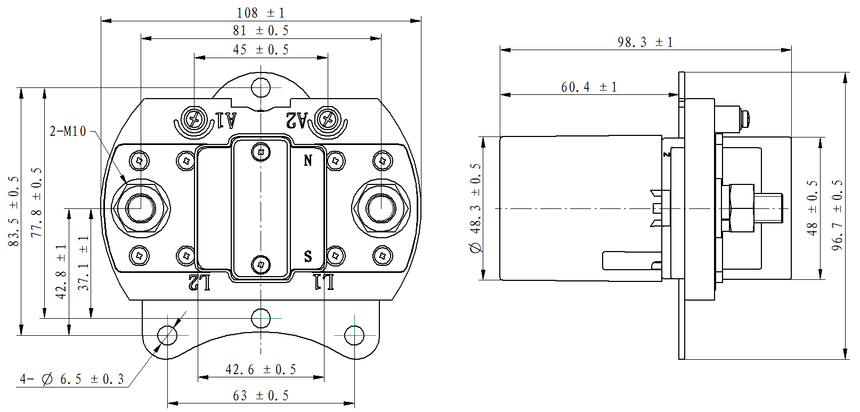
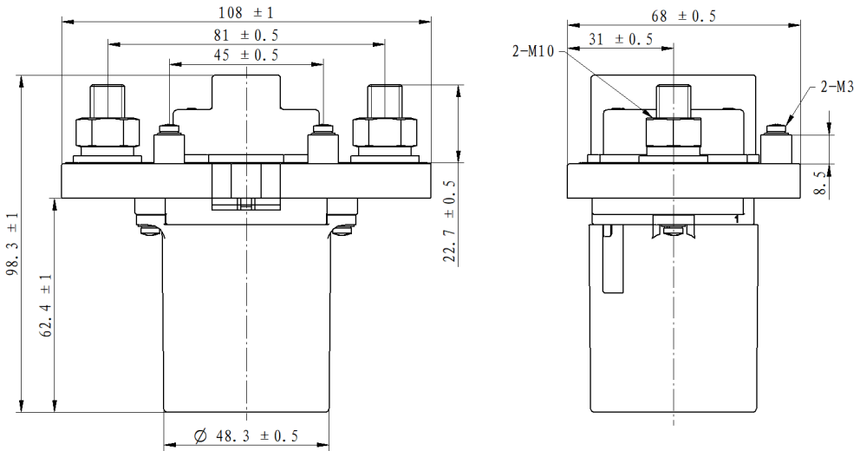
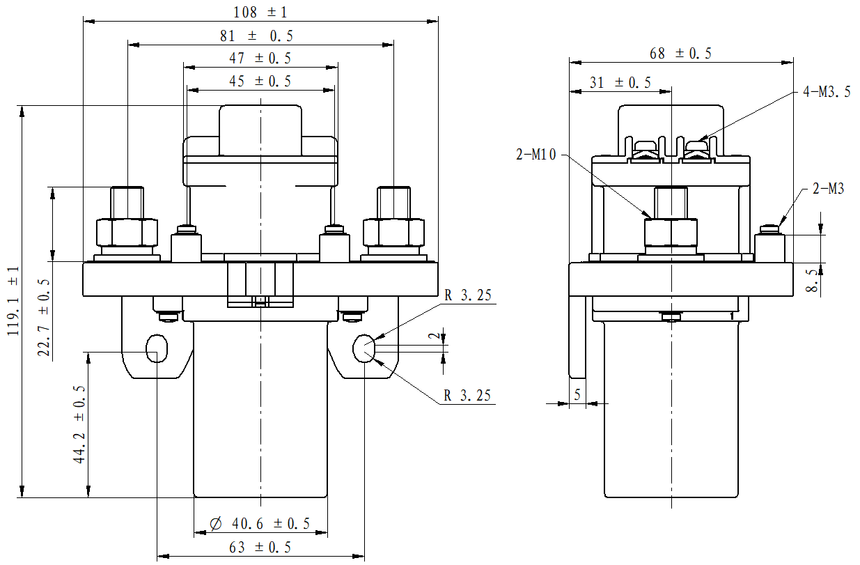
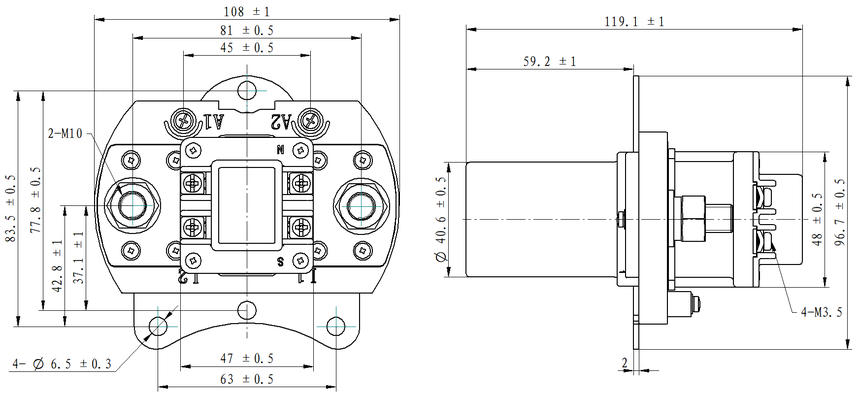
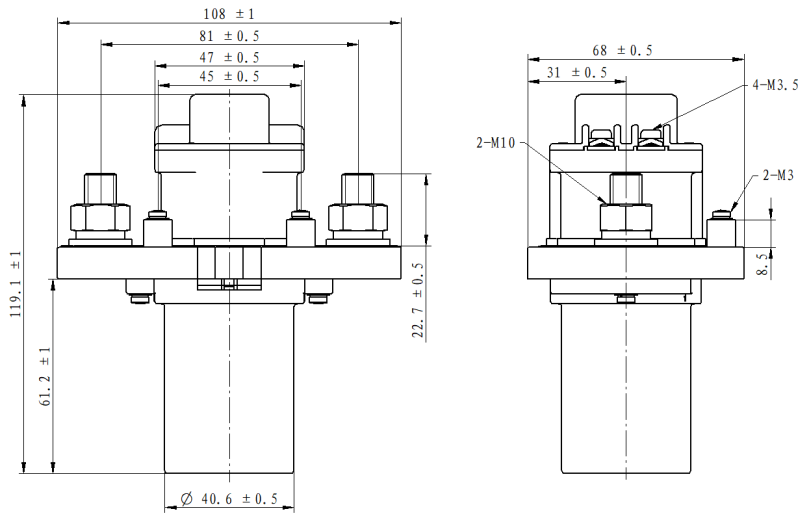
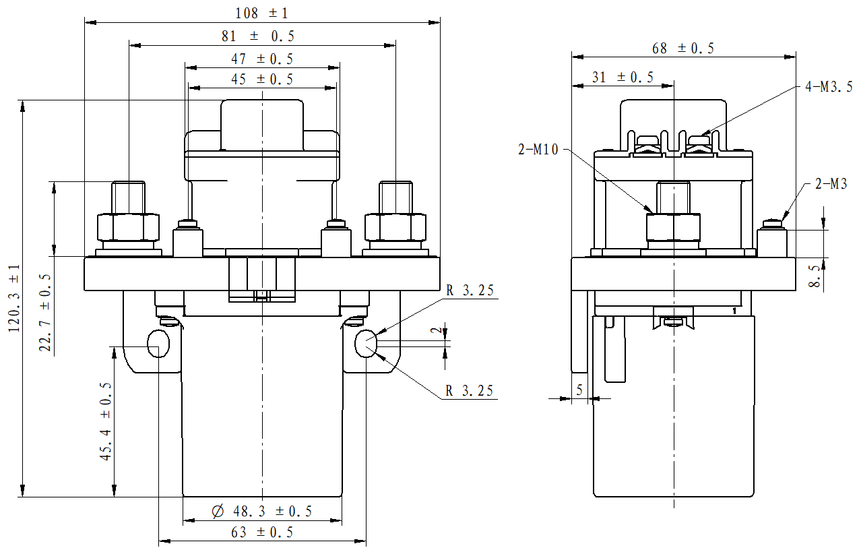
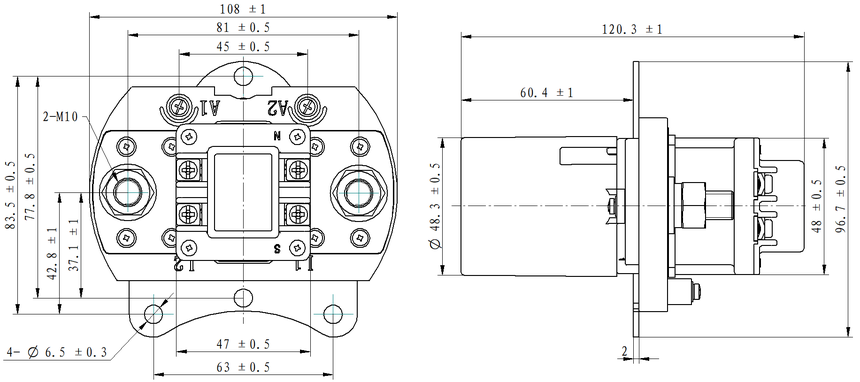
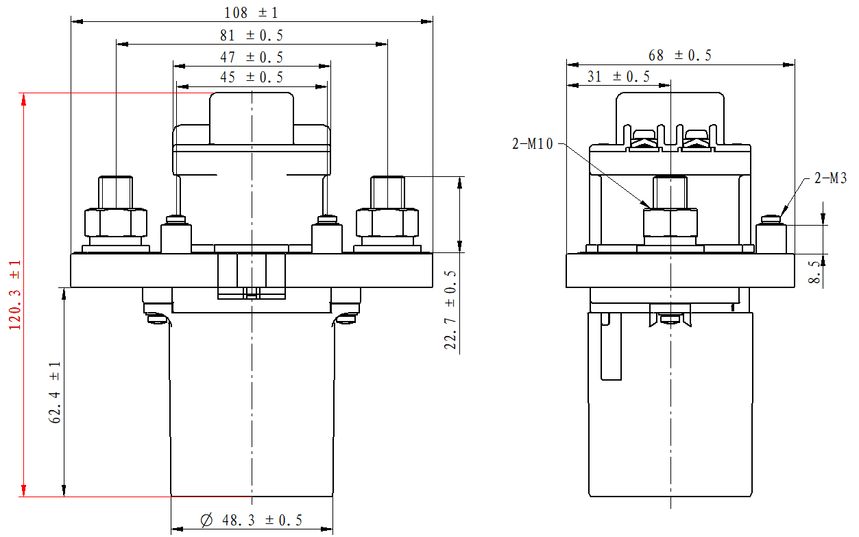
6. Outline and Mounting Dimensions (Same for NO and NC Types)
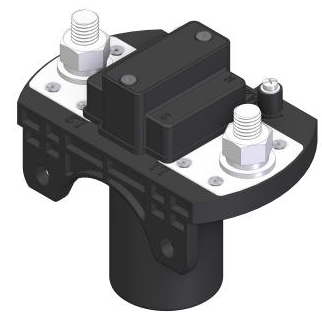
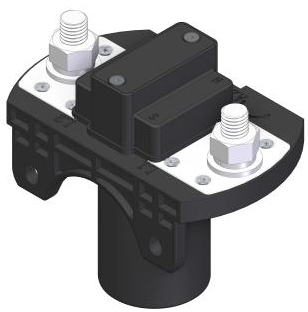
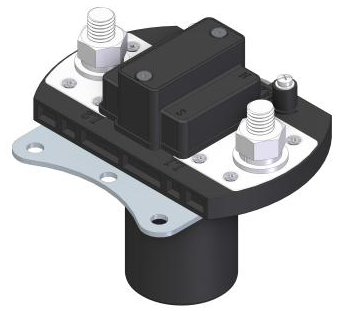
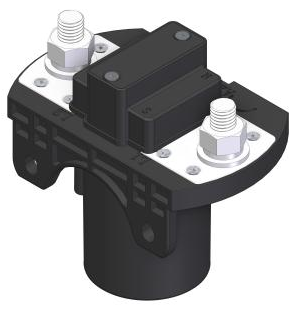
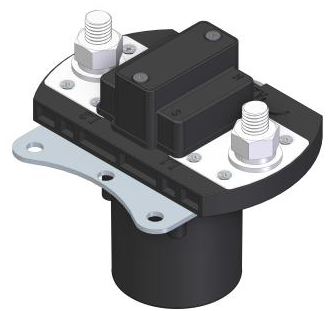
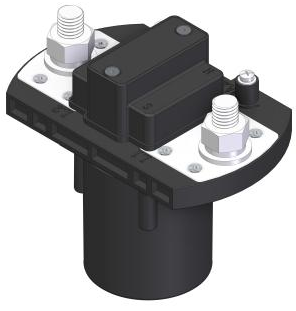
400QR 400QR 400QR 400QR Bent Plate - Terminal Block Bent Plate - Lead Wire Straight Plate - Terminal Block Straight Plate - Lead Wire
400QR 400QR 400QRR 400QRR No Plate - Terminal Block No Plate - Lead Wire Bent Plate - Terminal Block Bent Plate - Lead Wire
400QRR 400QRR 400QRR 400QRR Straight Plate - Terminal Block Straight Plate - Lead Wire No Plate - Terminal Block No Plate - Lead Wire
400QFR 400QFR 400QFR 400QFR Bent Plate - Terminal Block Bent Plate - Lead Wire Straight Plate - Terminal Block Straight Plate - Lead Wire
400QFR 400QFR 400QFRR 400QFRR No Plate - Terminal Block No Plate - Lead Wire Bent Plate - Terminal Block Bent Plate - Lead Wire
400QFRR 400QFRR 400QFRR 400QFRR Straight Plate - Terminal Block Straight Plate - Lead Wire No Plate - Terminal Block No Plate - Lead Wire
QNZ1-400QR Bent Plate Outline and Mounting Dimensions
QNZ1-400QR Straight Plate Outline and Mounting Dimensions
QNZ1-400QR No Plate Outline and Mounting Dimensions
QNZ1-400QRR Bent Plate Outline and Mounting Dimensions
QNZ1-400QRR Straight Plate Outline and Mounting Dimensions
QNZ1-400QRR No Plate Outline and Mounting Dimensions
QNZ1-400QFR Bent Plate Outline and Mounting Dimensions
QNZ1-400QFR Straight Plate Outline and Mounting Dimensions
QNZ1-400QFR No Plate Outline and Mounting Dimensions
QNZ1-400QFRR Bent Plate Outline and Mounting Dimensions
QNZ1-400QFRR Straight Plate Outline and Mounting Dimensions
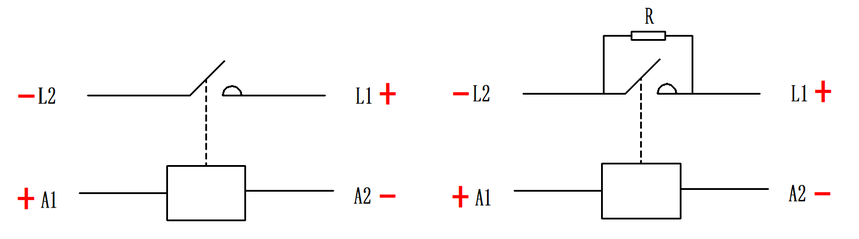
QNZ1-400QFRR No Plate Outline and Mounting Dimensions 7. Wiring Diagram (Positive and Negative Poles Must NOT Be Reversed)
QNZ1-QR QNZ1-QRR 8. Ordering InformationWhen placing an order, please specify: ■ Contactor model and name; ■ Coil voltage; ■ Order quantity; ■ Special requirements;
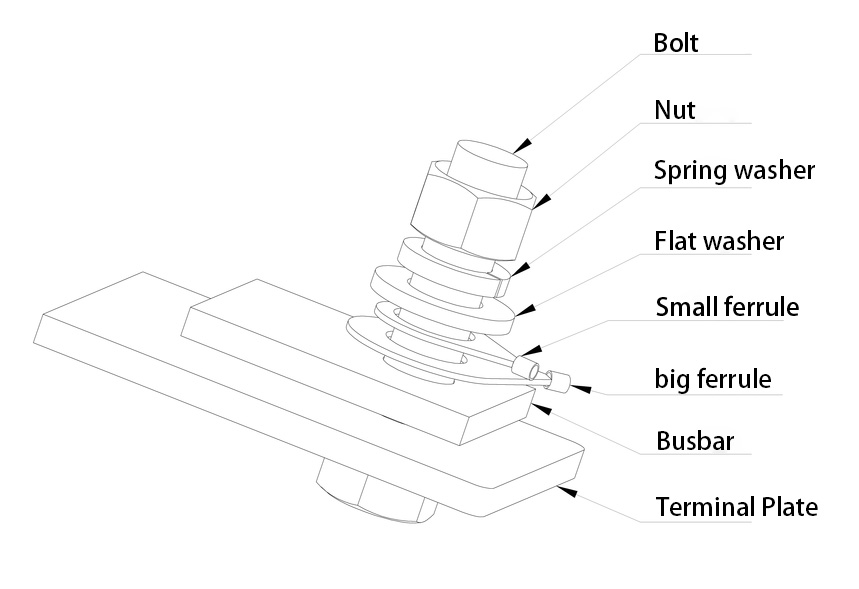
Examples:QNZ1-200QRR DC24V Bent Plate Lead Wire 100 units; Meaning: 100 units of DC contactor with built-in buffer resistor and micro-power consumption, current 200A, with resistor, with bent mounting plate, with lead wires, coil voltage DC24V. QNZ1-400QR DC48V Straight Plate Terminal Block 100 units; Meaning: 100 units of DC contactor with micro-power consumption, without resistor, with straight mounting plate, with terminal blocks, current 400A, coil voltage DC48V. QNZ1-600QXR DC48V No Plate Terminal Block 100 units; Meaning: 100 units of DC contactor with micro-power consumption, X-type, without resistor, without mounting plate, with terminal blocks, current 600A, coil voltage DC48V. 9. Usage PrecautionsWARNING: ◆ The product coil is polarized. If connected in reverse, the contactor will not operate. The main circuit with magnetic blowout is polarized (L1 is positive, L2 is negative); without magnetic blowout, it is non-polarized. The positive and negative poles must NOT be reversed, as reversal can affect the load-breaking lifespan. ◆ The energy-saving coil has a relatively large starting current at initial operation, lasting between 100–120ms depending on the product's characteristics. Therefore, the driving power for the contactor must be greater than the coil power, and the operating frequency must not exceed the rated value. Otherwise, it may affect the normal starting of the DC contactor or even burn out the energy-saving module, rendering the contactor inoperative. ◆ The product has a built-in coil energy-saving module; no additional PWM or other energy-saving modules are required. If PWM pulse signals are still used to control the coil, the PWM output voltage must be set to 100%, otherwise it may affect the reliable operation of our contactors. Step-type power supply mode is recommended. ◆ When using more than one connection wire at a power terminal, ensure the main power wire is closest to the contactor's main circuit connection point, followed by smaller current wires on top, then the washer, spring washer, and nut. Incorrect connection order or loose connections can cause severe overheating and melt the cable insulation.
◆ The tightening torque for screws and bolts used with the contactor should be controlled within the specified ranges below .
◆ Main contact wire or busbar cross-sectional area .
◆ Do NOT forcibly bend wires or busbars after tightening the product's mounting screws, to prevent damage to the contactor and ensure its normal use.
相关商品
|
|||||||||||||||||||||||||||||||||||||||||||||||||||||||||||||||||||||||||||||||||||||||||||||||||||||||||||||||||||||||||||||||||||||||||||||||||||||||||||||||||||||||||||||||||||||||||